
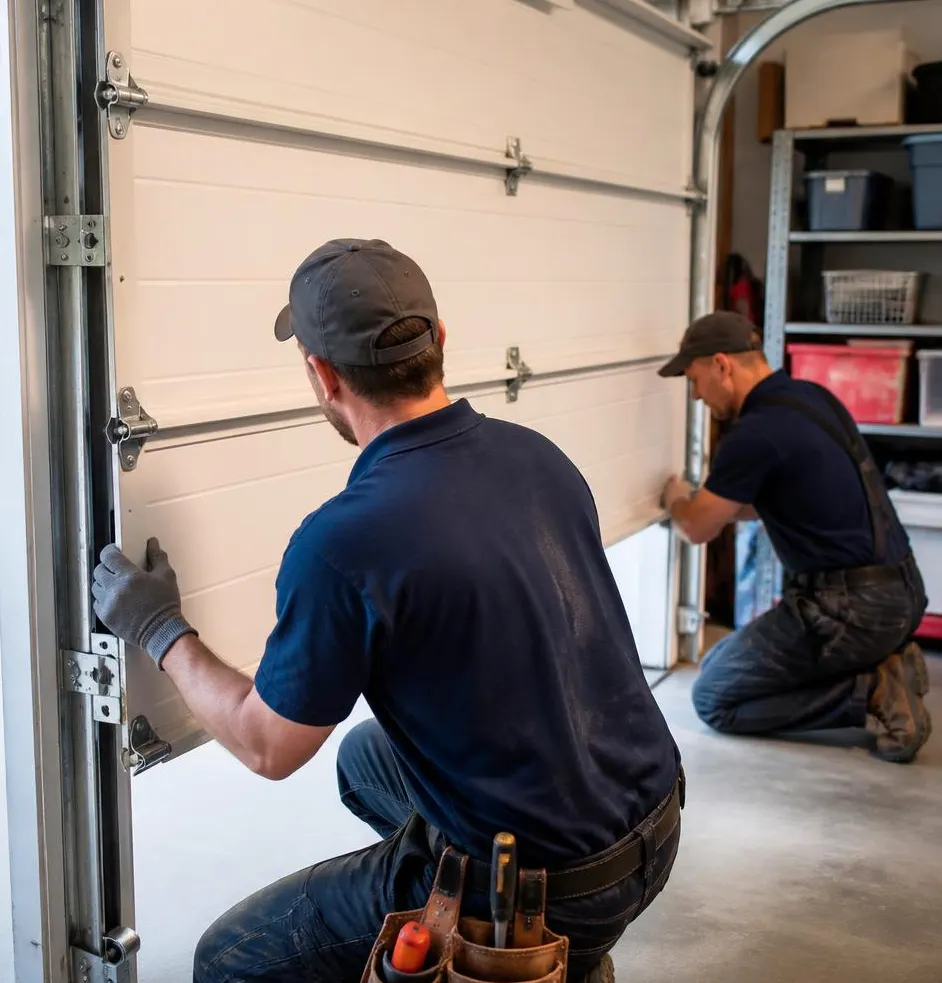
What Technicians See This Time of Year
Every October, Precision technicians start getting a specific kind of service call: homeowners who open the garage one morning and notice a draft along the bottom of the door, or hear a new squeak that wasn't there in August. Usually the door has been sitting through months of dry heat and dust, sometimes with a layer of wildfire smoke residue baked onto the tracks and rollers, and now the first rain of the season is exposing every weak point that summer let slide. The door that worked fine in July suddenly binds, drags, or leaks water under the threshold once the storms roll in.
None of this is mysterious. Garage doors in this region go through a hard transition each fall: from a bone-dry, dusty summer straight into wet weather, often with little in between. A few focused checks now can prevent most of the calls we get in December and January.
Check the Weatherstripping Before the First Storm
The rubber seal along the bottom of the door and the flexible seals on the sides do most of the work keeping wind-driven rain out of the garage. After a long dry season, this rubber can crack, shrink, or pull loose from its track, especially on south- or west-facing doors that take the most sun.
- Bottom seal: Look for flattened spots, cracks, or gaps where daylight shows through when the door is closed.
- Side and top seals: Check that they're still flexible and sitting flush against the frame, not curled away from it.
- Replacement: Bottom seals are a low-cost, straightforward swap and one of the best returns on effort before winter rain arrives.
If your garage stores anything on the floor near the door, cracked weatherstripping is often the reason boxes end up damp after a heavy storm.
Clear Out Summer Dust Before It Turns to Grime
Dry summers and periods of wildfire smoke leave a fine layer of dust on tracks, rollers, and hinges. On its own, that dust is a minor annoyance. Once winter rain and humidity hit, it mixes with moisture and old lubricant to form a gritty paste that grinds down rollers and hinges faster than normal wear would.
- Wipe down the tracks with a dry cloth to remove loose dust and debris before it gets wet.
- Avoid spraying household degreasers or WD-40 directly into the tracks; they can strip existing lubricant and attract more dirt.
- Use a garage-door-specific lithium or silicone-based lubricant on rollers, hinges, and the spring, applied lightly and wiped of excess.
This is also a good time to check rollers themselves. Nylon rollers with visible cracks or metal rollers with flat spots should be replaced before the wet season puts more strain on a door that's already working harder.
Temperature Swings and Spring Tension
Steel springs respond to temperature changes, and the swing from hot afternoons to cold, damp mornings common in late fall and winter here can affect how a door balances. A door that closes properly in October but starts drifting open partway, or feels heavier when lifted manually, may be telling you the spring tension needs adjusting for the season.
This isn't something to troubleshoot yourself. Garage door springs store a significant amount of tension, and adjusting or replacing them without the right tools is one of the more common ways homeowners get hurt. If you notice a change in how the door balances as temperatures drop, that's a sign to have a technician check it, not a DIY project.
Protect the Opener From Storm-Related Power Issues
Winter storms in this region bring the occasional power outage, and a garage door opener with no backup plan means you're stuck using the manual release, which not every homeowner is comfortable doing in the dark or the rain.
- If your opener doesn't already have a battery backup, consider adding one before the rainy season is in full swing.
- Test the manual release mechanism now, while conditions are calm, so you know how it works if you ever need it during a storm.
- Check that the opener's safety sensors (the small eyes near the bottom of the tracks) are clean and properly aligned; dust buildup from summer can throw off alignment enough to cause false reversals once the sensors get slightly wet or foggy.
Inspect for Rust-Prone Spots
Houses with garage doors exposed to direct weather, especially older steel doors or hardware that's never been touched, can start showing surface rust once regular rain sets in. Check hinges, the bottom bracket, and any exposed fasteners for early rust spots and apply a light coating of lubricant or rust inhibitor where needed. Catching this in October is far easier than dealing with a seized hinge in January.
When to Call Precision Garage Door of Sacramento
If you've gone through these checks and still notice the door sticking, reversing unexpectedly, or sounding rougher than usual, it's worth having a technician take a look before winter weather makes small problems worse. Precision Garage Door of Sacramento handles seasonal garage door maintenance visits that cover exactly these points, weatherstripping, lubrication, spring tension, and opener safety checks, plus spring replacement for doors that are clearly out of balance or showing wear after a long dry season. We'll explain what we find in plain terms and give you options, not just a bill.
If your garage door needs a pre-winter check or you're already noticing issues, call Precision Garage Door of Sacramento today to get it handled before the rain does.